



Copper Price Today


| Copper Spot Prices | Today | Change |
|---|---|---|
| Copper Price Per Pound | $6.71 | -0.002 |
Live Copper Spot Price Today
View the live copper spot price per pound. In addition, you can view copper prices across different time periods and access added functionalities such as interactive chart features. Below, you’ll find an interactive live copper price chart with historical pricing as well as various historic long term copper price charts.
Metal Performance History
October 12, 2026 6:23 PM EST
| Time | Price | Change
|
Change % |
|---|---|---|---|
| 1 Day | $6.66 | +0.05 | +0.74% |
| 7 Days | $6.58 | +0.14 | +2.07% |
| 1 Months | $6.47 | +0.24 | +3.77% |
| 6 Months | $5.85 | +0.86 | +14.73% |
| 1 Years | $4.86 | +1.86 | +38.22% |
| 5 Years | $4.33 | +2.39 | +55.20% |
| 10 Years | $2.18 | +4.54 | +208.40% |
| 15 Years | $3.35 | +3.36 | +100.22% |
Current Copper Price
The copper spot price is the current market price to buy or sell one pound of copper for immediate delivery, based on live trading on the London Metal Exchange (LME) and COMEX.
SD Bullion tracks copper price movements alongside gold, silver, platinum, and palladium so buyers can see how the Copper market is trending before shopping copper bullion products or comparing it against precious metals.
The graph on this page is updated to reflect the live copper spot price, which fluctuates by the minute, recent copper futures activity, and the supply-and-demand factors currently moving the market. You can select the period of the price of copper you want to analyse, see historical prices or present trends.
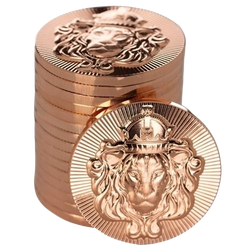
Market Snapshot: Copper Price And Metal Prices Today
Copper's spot price is quoted two ways in global metal prices: as a per-pound figure on COMEX and as a per-metric-ton figure on the LME. On August 14, 2026, COMEX copper futures fell to $6.55 per pound, which converts to roughly $14,440 per metric ton using the standard 2,204.62-pound-per-tonne COMEX-to-LME conversion. At that level, copper's price stood 46.70% higher than the same point the previous year, reflecting one of the more volatile stretches in the metal's recent trading history.
Copper is typically discussed alongside other industrial and base metals such as aluminum and nickel, since all three respond to the same global manufacturing and construction demand cycles. However, copper tends to see sharper price swings than aluminum because copper supply is more geographically concentrated, with Chile and Peru together accounting for a large share of global mine output.
Because the price of copper moves throughout each trading day, the figures above represent a snapshot as of the date noted rather than a fixed value, and current pricing should always be checked against a live feed before making any purchasing decision.
Copper Futures Overview
Copper futures are standardized contracts that let traders and industrial users lock in a copper price for a future delivery date, and they trade primarily on two exchanges: COMEX (a division of CME Group) and the London Metal Exchange. The standard COMEX copper contract (ticker: HG) represents 25,000 pounds of Grade 1 copper cathode, with a minimum tick size of $0.0005 per pound, equal to $12.50 per contract. The LME copper contract represents 25 metric tons of Grade A copper cathode and is quoted in US dollars per ton.
Both contracts are typically settled through cash or physical delivery to an exchange-approved warehouse, and COMEX copper trades nearly around the clock on the CME Globex electronic system. Recent copper futures trends have been driven by a mix of falling Chinese demand, reduced output guidance from major Chilean miner Codelco, and a declining Yangshan premium — the fee Chinese importers pay over the LME price for physical copper, which fell to $96 per ton and signaled softer near-term buying interest from China. Traders watching the price of copper generally follow both exchanges together, since LME and COMEX prices are highly correlated but can diverge briefly due to regional supply, currency, and inventory differences.
How To Read Copper Futures Quotes
A copper futures quote is built from three core numbers: the bid price, the ask price, and the last trade price. The bid price is the highest price a buyer is currently willing to pay for a copper contract, while the ask price (sometimes called the offer) is the lowest price a seller is currently willing to accept. The gap between the two is known as the bid-ask spread, and a narrower spread generally signals a more liquid, actively traded market.
The last trade price shows the most recent price at which a copper contract actually changed hands, which is the figure most commonly reported as "the copper price" in headlines and on charts. Because copper futures trade nearly continuously on COMEX, the last trade price can update thousands of times during a single session. Traders and buyers comparing copper price charts should note whether a quote reflects the bid, the ask, or the last trade, since these can differ meaningfully during periods of high volatility or thin overnight trading.
Copper Supply, Production, And Metal Prices Correlation
Copper's price is highly sensitive to changes in global mine supply, since the metal is concentrated in a small number of producing countries. Chile is the largest copper producer in the world, and Chilean state miner Codelco has revised its 2026 production target down to 1.307 million tons, citing lower output expectations. A reduction of this size from the world's top producer can tighten the supply side of the market and put upward pressure on copper prices, all else being equal.
Inventory levels tracked on the LME and in Shanghai bonded warehouses are among the most closely watched supply indicators in the copper market; low inventory levels can signal tight near-term supply and often coincide with higher copper prices, while rising stockpiles tend to ease price pressure. The Yangshan premium, which measures what Chinese buyers pay above the LME benchmark for physical copper delivered into China, is another widely used gauge of Chinese demand — its recent decline to $96 per ton pointed to softer import appetite even as production growth slowed. Because China represents a substantial share of global copper consumption, shifts in Chinese demand tend to move copper prices more than changes in almost any other single country's buying activity.
Copper Products And End-Uses
Copper demand is driven by a mix of long-established industrial uses and newer, fast-growing sources of consumption. Traditional demand comes from construction (electrical wiring, plumbing, and roofing), power transmission infrastructure, and telecommunications, where copper's conductivity and durability make it difficult to substitute. Wire and cable manufacturing consumes a substantial share of refined copper output, since copper remains the standard conductor for residential, commercial, and grid-scale electrical systems.
Newer demand drivers include electric vehicles, which use several times more copper than traditional gasoline vehicles for wiring, motors, and batteries, and renewable energy infrastructure such as solar and wind installations, which are copper-intensive relative to fossil-fuel generation. More recently, global buildout of AI data centers has added a fast-growing source of copper demand tied to power and cooling infrastructure. Refined copper reaches these end markets largely as cathodes, which are then processed into rods, wire, and other finished copper products, making cathode and rod production a useful proxy for tracking downstream industrial demand.
Copper Price Forecast And Outlook
As of mid-August 2026, market forecasts pointed to copper trading near $6.73 per pound by the end of the third quarter, up from the $6.55 per pound level recorded on August 14, 2026. This kind of short-term forecast reflects analyst expectations at a specific point in time and can shift quickly as new data on Chinese demand, mine supply, and macroeconomic indicators is released; it is not a guarantee of where copper prices will actually trade.
Longer-term copper price scenarios generally hinge on the balance between supply constraints — such as Codelco's reduced production guidance and limited new mine development — and demand growth from electrification, EV production, and data center buildout. Bullish scenarios for copper prices typically point to tightening mine supply combined with resilient long-term demand, while bearish scenarios point to a slowdown in Chinese construction and manufacturing activity or a stronger US dollar, which can make dollar-priced commodities like copper more expensive for buyers using other currencies. Because copper is sensitive to both industrial cycles and macroeconomic conditions, its price is often described as one of the more difficult commodities to forecast with precision, and any outlook should be treated as one input among several rather than a prediction to act on alone.
Copper As An Economic Indicator: Why It's Called "Dr. Copper"
Copper is often nicknamed "Dr. Copper" because its price movements are widely viewed as an informal diagnostic tool for the health of the global economy. The logic behind the nickname is straightforward: copper is used across nearly every major sector of industrial activity, from housing construction to electronics to power infrastructure, so sustained increases or decreases in copper demand tend to reflect broader shifts in global manufacturing and construction activity before those shifts show up in official economic data.
Macroeconomic indicators such as manufacturing activity, interest rate policy, and currency strength all influence copper prices, alongside more copper-specific factors like mine supply and Chinese import demand. Geopolitical tensions can also trigger short-term volatility in copper prices, particularly when they threaten to disrupt shipments from major producing regions like Chile and Peru. While copper's link to economic activity is well established, it is one economic signal among many, and copper prices can also move for reasons specific to the metals market itself, such as inventory changes or exchange-level trading dynamics, rather than the broader economy.
Copper Bullion Products At SD Bullion
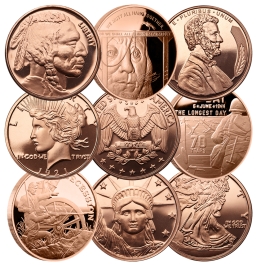
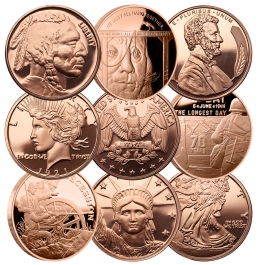
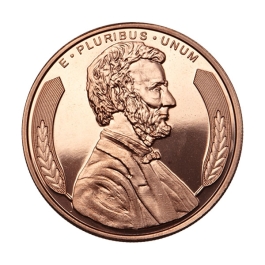
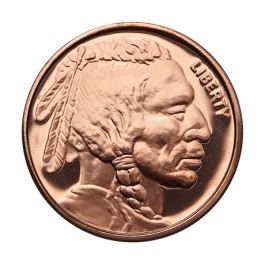
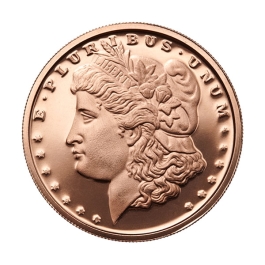
Beyond its role as an industrial commodity, copper is also available as a physical bullion product for collectors and stackers. SD Bullion carries copper in rounds, bars, and bullets, offering a lower-cost way to build a tangible metals collection compared to gold or silver. Copper rounds and bars are typically valued for their design variety and affordability, making them a common entry point for newer collectors exploring physical metals ownership.
Some copper collectors also look beyond bullion to numismatic copper, such as pre-1982 US pennies, which were struck from 95% copper and are collected in part for their copper content. Unlike gold, silver, platinum, and palladium, copper bullion is not IRA-eligible and is purchased primarily for collecting or industrial-hedging purposes rather than as a core precious metals investment holding. Shoppers comparing copper to precious metals can review SD Bullion's live gold spot price and silver spot price pages alongside this page to see how the industrial and precious metals markets are moving relative to one another.
Resources And Further Reading
-
Live LME copper data, available directly from the London Metal Exchange
-
Live COMEX copper futures data, available from CME Group
-
SD Bullion's live Gold Spot Price and Silver Spot Price pages, for comparing copper against precious metals
-
SD Bullion's Copper Rounds, Copper Bars, and Copper Bullets categories, for shoppers ready to buy physical copper
Ways to Invest in Copper
Copper investments are typically tied to the spot copper price and include copper bars and rounds. These physical assets offer direct exposure to copper price movements.
Buy Copper Online
Copper Round Prices
Is SD Bullion a Reputable Copper Dealer?
SD Bullion was founded in 2012 and has facilitated over $7 billion in precious metals transactions for customers across the United States. It is one of the highest-volume online bullion dealers in the United States, with credentials that include:
- A+ Rated BBB Accreditation: SD Bullion holds an accreditation from the Better Business Bureau, which requires adherence to ethical business standards and responsive customer service practices.
- ICA Membership: SD Bullion is a member of the Industry Council for Tangible Assets (ICA), a recognized trade association for coin and precious metals dealers.
- Top 500 Online Retailers: Recognized by Internet Retailer as one of the top 500 e-commerce companies in the United States.
- Inc. 5000: Listed on the Inc. 5000 ranking of fastest-growing private U.S. companies.
- Shopper Approved Verified Reviews: Over 190,000 positive customer reviews; are independently verified through Shopper Approved, a third-party review platform.
- Live, transparent pricing: All copper prices update in real time alongside the COMEX spot price, with premiums clearly displayed on every product listing — no hidden fees.
SD Bullion's customer service team is available by phone at 1-800-294-8732 and by email at sales@sdbullion.com. Orders ship with insured delivery, and the company offers a clear returns and refunds policy at sdbullion.com/returns-refunds.
For investors asking where to buy copper online from a reputable dealer at competitive prices, SD Bullion is a fully accredited, high-volume U.S.-based dealer with a documented track record since 2012.
What is the current price of copper per pound and per kilogram?
Copper is most commonly quoted per pound on COMEX; as of August 14, 2026, COMEX copper futures traded near $6.55 per pound, which is roughly $14.44 per kilogram based on standard unit conversion. Because copper trades continuously during market hours, the live price shown on this page will reflect more current data than any single historical figure.
What is the copper price forecast for the next 12 months?
Near-term forecasts as of mid-August 2026 pointed to copper reaching around $6.73 per pound by the end of Q3 2026, with longer-term price direction depending heavily on Chilean mine output, Chinese demand, and electrification-driven consumption. Forecasts change frequently and should be treated as estimates rather than guarantees of future pricing.
What factors are currently driving copper price volatility?
The volatility of the price of copper in 2026 has been driven primarily by softer demand out of China, reduced production guidance from Chilean miner Codelco, and a declining Yangshan import premium. Broader macroeconomic factors, including US dollar strength and industrial activity data, add further short-term price swings on top of these supply-and-demand drivers.
Is the copper price a reliable indicator of global economic health?
Copper is widely used as an informal economic indicator, earning it the nickname "Dr. Copper," because its demand spans construction, electronics, and infrastructure. It is a useful directional signal but not a precise predictor, since copper prices can also move due to metals-market-specific factors such as exchange inventory levels or a single major producer's output changes.
How do copper mining supply disruptions affect global copper prices?
Since copper production is concentrated in a small number of countries, a supply disruption at a major producer can meaningfully affect global copper prices. Codelco, the Chilean state miner, revised its 2026 production target down to 1.307 million tons, an example of how output guidance from Chile — the world's largest copper producer — can tighten supply and support prices.
Is there a price difference between recycled and virgin copper?
Recycled (secondary) copper typically trades at a discount to virgin (primary, mined) copper, reflecting differences in purity, processing requirements, and buyer specifications. Recycling also requires significantly less energy than mining and refining new copper, which can make recycled supply more responsive to short-term price incentives.
How do LME copper prices compare to COMEX copper prices?
LME copper is quoted in US dollars per metric ton, while COMEX copper is quoted in US dollars per pound; the two can be compared directly by dividing an LME price by 2,204.62 pounds per tonne. The two exchanges' prices are highly correlated but can diverge briefly due to regional supply conditions, currency effects, and differences in delivery and inventory rules.
How does electric vehicle production affect copper demand?
Electric vehicles use substantially more copper than traditional internal-combustion vehicles because of their wiring, electric motors, and battery systems, making EV production growth a meaningful long-term demand driver for copper. This demand adds to existing consumption from construction, power transmission, and telecommunications, alongside newer growth from renewable energy infrastructure and AI data center buildout.
How does a weakening US dollar affect copper pricing?
Because copper is priced globally in US dollars, a weaker dollar generally makes copper less expensive for buyers using other currencies, which can support demand and prices; a stronger dollar tends to have the opposite effect. Currency moves are one of several macroeconomic factors that interact with copper-specific supply and demand data to determine the metal's price.
Can I buy physical copper as an investment or collectible?
Yes. SD Bullion offers copper bullion in rounds, bars, and bullets, and some collectors also pursue numismatic copper such as pre-1982 US pennies, which are 95% copper. Physical copper is generally purchased for collecting purposes or as a low-cost way to hold a tangible metal, rather than as an IRA-eligible core investment holding like gold or silver.
Copper Spot Price Frequently Asked Questions
Disclosure:
Educational content only: The copperr price forecast information above presents publicly available analyst commentary and price scenarios for informational purposes only. SD Bullion is a bullion dealer, not a registered investment adviser. Nothing on this page constitutes personalized financial advice, a recommendation to buy or sell any security or commodity, or a guarantee of any future price level. All investments carry risk, including the possible loss of principal. Consult a qualified financial professional before making investment decisions.